For private TK–3 schools

Reading should feel like courage, not like being called on.

ReadLeo gives every child in your school a nightly bedtime story built around the words their teacher is teaching this week.

The parent reads it at eight o'clock. The child practices without knowing they're practicing. The teacher sees what happened in the morning. No new hardware. No extra work. Just a story, every night.

Apply for Founding Pilot No commitment required. We'll follow up within one school day.
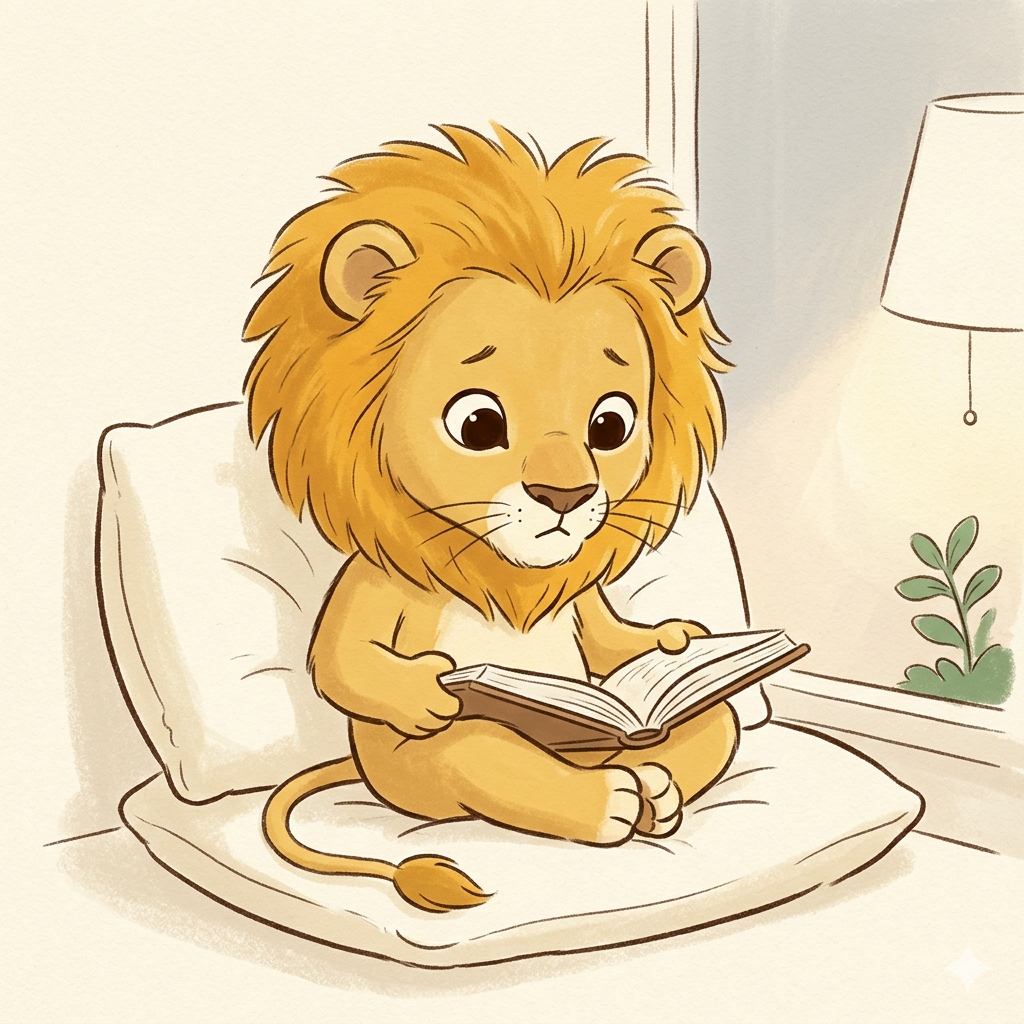
A young lion cub named Leo sits cross-legged on a soft cream cushion, holding an open storybook in his lap, looking down with quiet concentration. Warm lamplight glows from one side.

Why this exists

He built the thing he needed when he was six.

I am a dyslexic adult. Reading still takes work. I love it now — have for years — but I hated it when I was a kid. Reading out loud in class was genuinely awful. I was scared every time.

I used to count heads. Sitting in a classroom, knowing the teacher was about to go down the row, I would count children until I knew exactly which paragraph would land on me. Then I would read it under my breath, again and again. Not because I was curious about it. Because I was trying not to be the kid who choked.

There was a voice that came from those moments. Two words. I carried it for a long time — longer than I should have. Longer than made any sense.

"I'm stupid."

I wasn't. I never was. But that was the dialogue my brain played, and I didn't know how to turn it off. I just knew I dreaded every time a teacher said "let's read aloud."

Now I have a daughter. She's in TK. I read to her every night, and I love it. Her teacher sends home a sight word list every week, and I wanted to be a good reading partner — to find those words inside the stories we were already telling, so she could practice without it ever feeling like homework.

That was the small idea. ReadLeo started as a tool I built for her. But the deeper thing — the reason I kept building — is that I don't want her to count heads. I don't want her to carry that voice. I don't want any kid in her class to carry it either.

The product is sight words. The mission is making sure no child spends the next thirty years trying to unhear two words they decided about themselves at six.
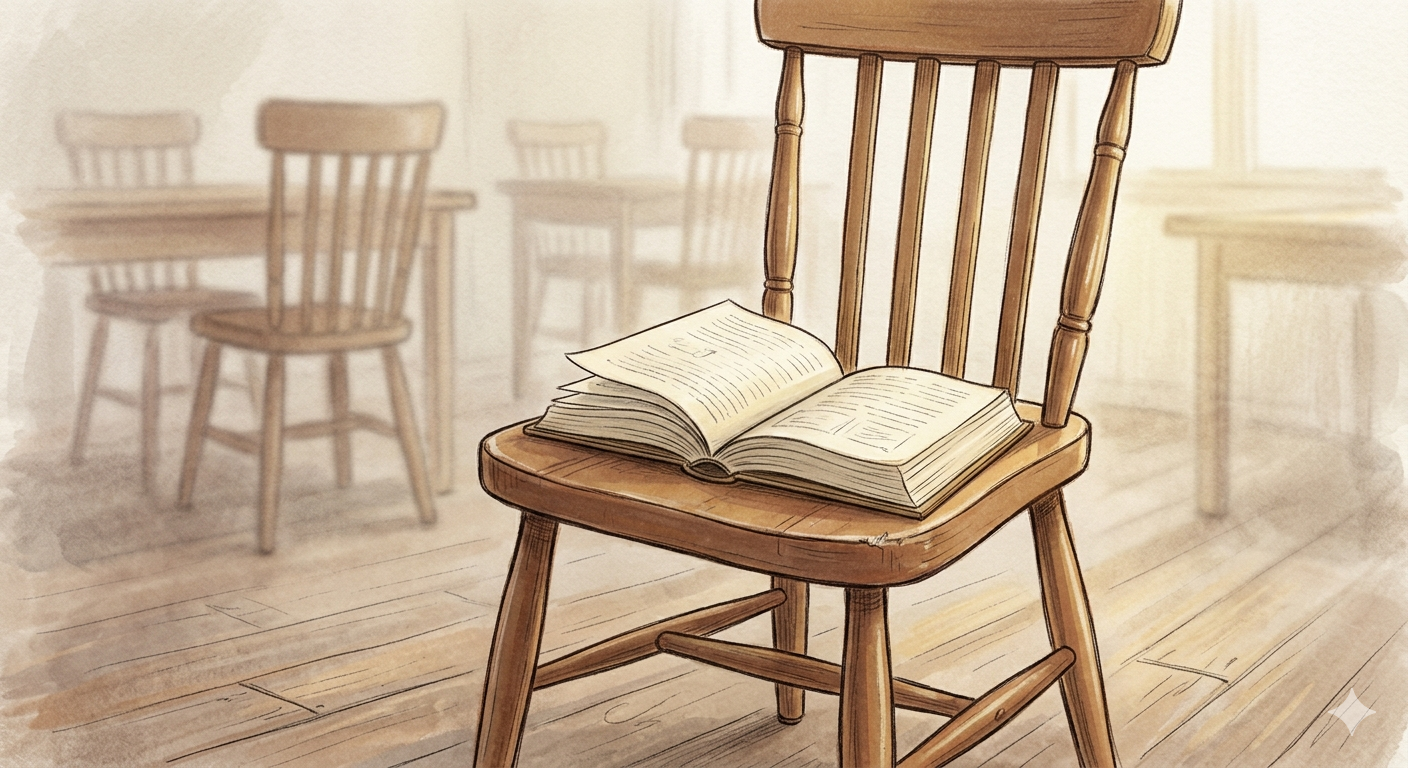
A single empty wooden classroom chair with an open book resting on the seat. Soft afternoon light falls across the book pages. In the background, gently out of focus, the outlines of other empty chairs.

The nightly loop

Four things happen. Then it happens again tomorrow.

The teacher spends sixty seconds. The parent reads for ten minutes. The child practices sight words without knowing it. The loop closes by morning.

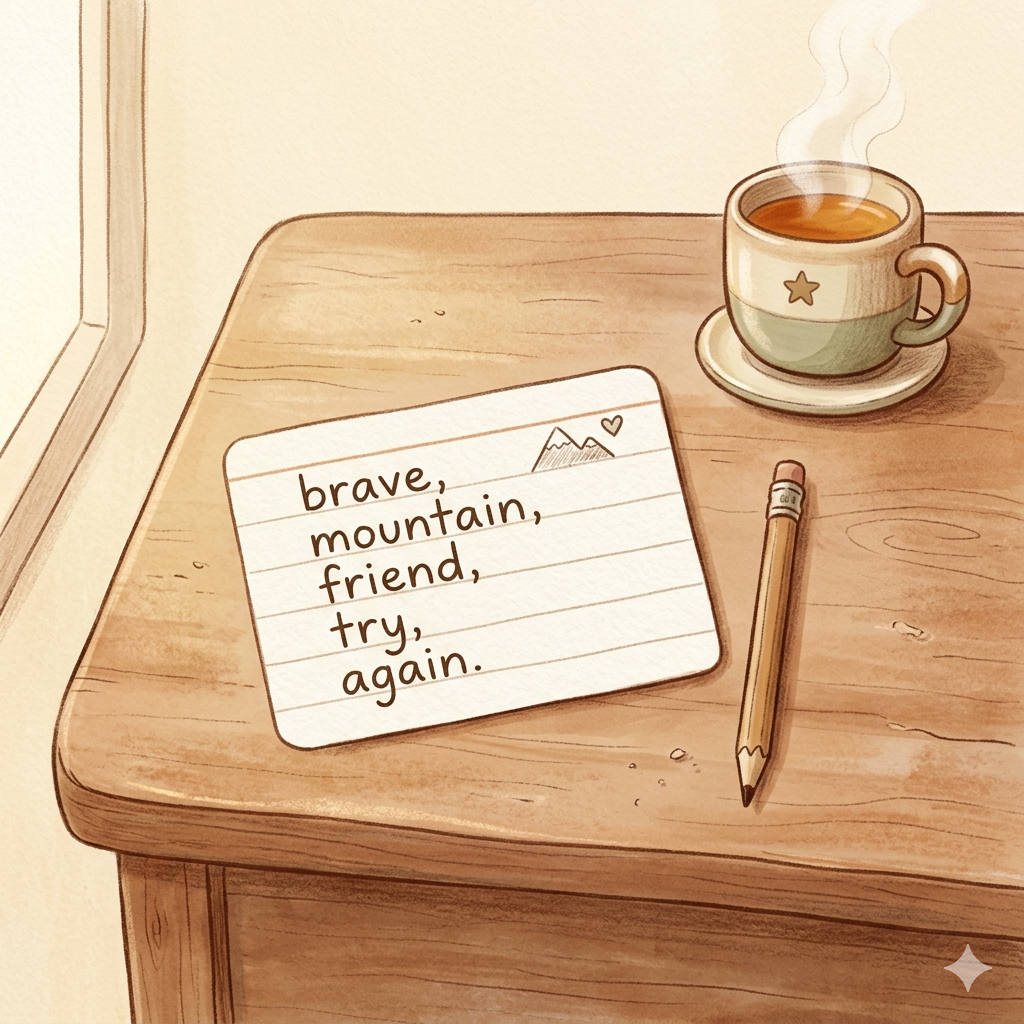
An index card on a teacher's desk with this week's sight words written in soft brown ink. A pencil beside it. A mug of tea steaming at the edge of the frame.
Step 1
The teacher sets the words.

On Monday morning, the teacher types this week's sight words into ReadLeo — or pastes them from the list they already have. Sixty seconds. That's the only thing a teacher has to do.

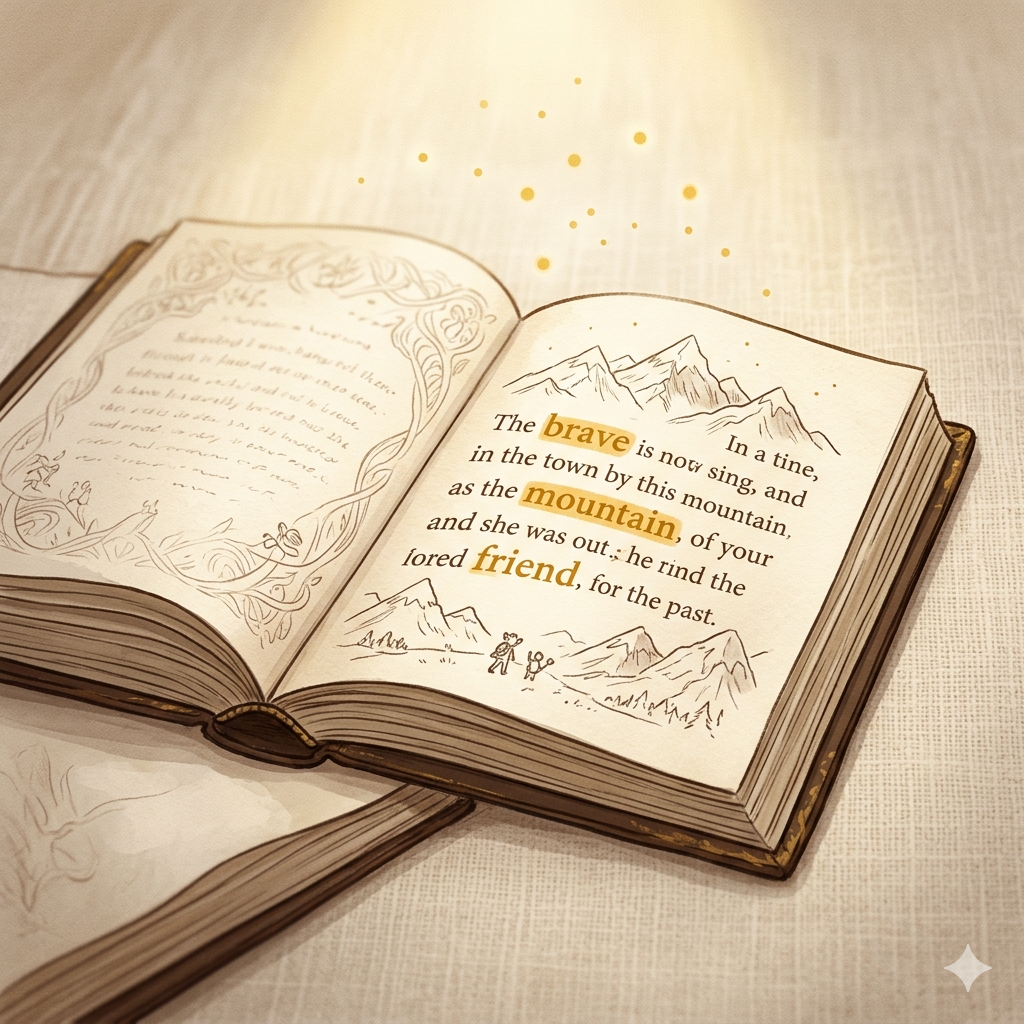
An open storybook on a linen surface, lamplight falling across it. A few words on the pages glow soft gold. Small sparks of light float above, as if the story is being woven.
Step 2
Tonight's story writes itself.

Before eight o'clock, a fresh story is waiting in every family's app. The child's name is in it. Their interests are in it. The sight words are woven in — quietly, naturally, the way a word belongs in a sentence.

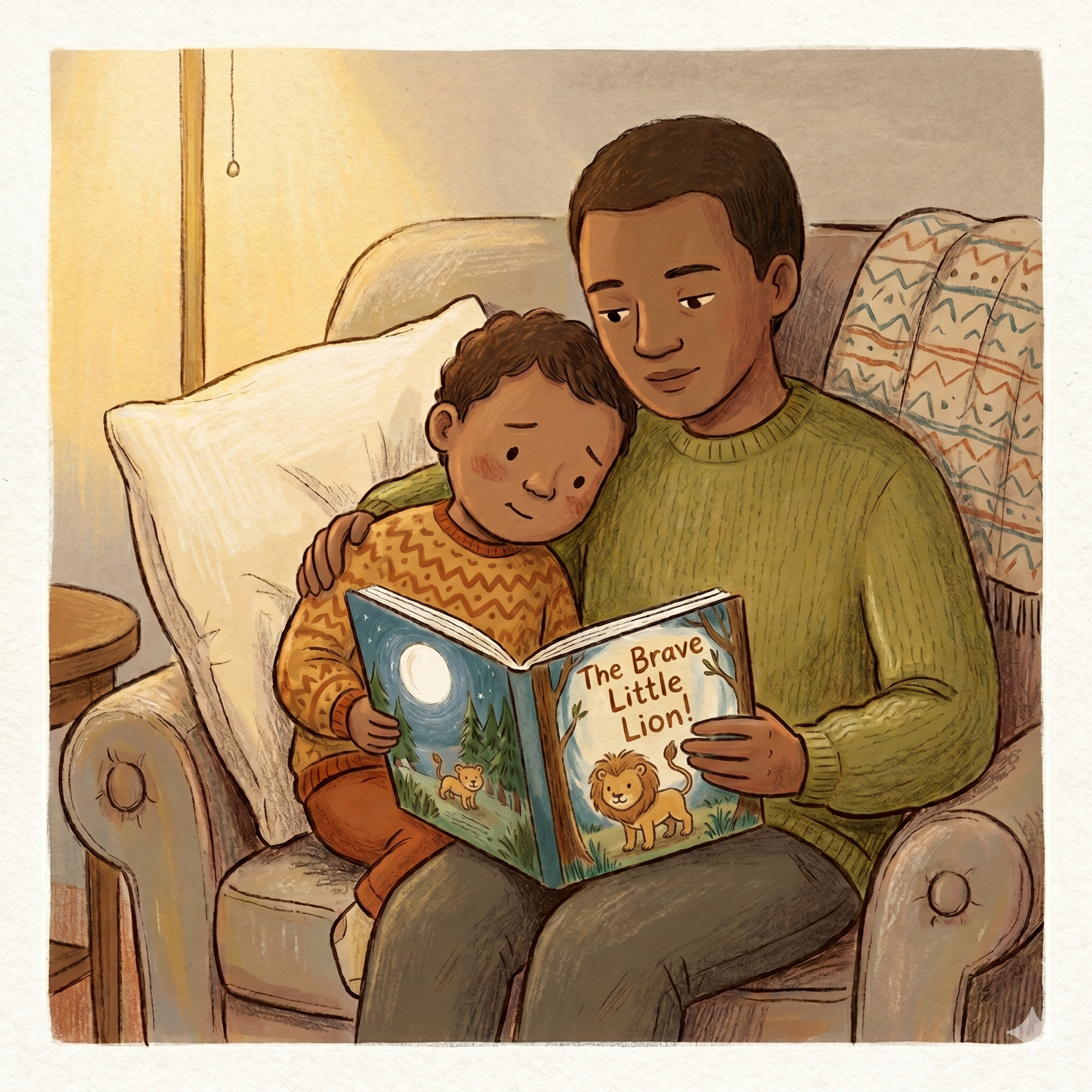
A parent and child sitting close against a soft pillow, a storybook open between them. Warm lamplight from one side. Both faces are calm, present, leaning in together.
Step 3
The parent reads together.

At bedtime, the parent opens the app and reads the story with their child. When the child nails a sight word, the parent taps it. When they hesitate, the parent taps that too. No pressure on the child. No grade. Just a story, and someone they trust.

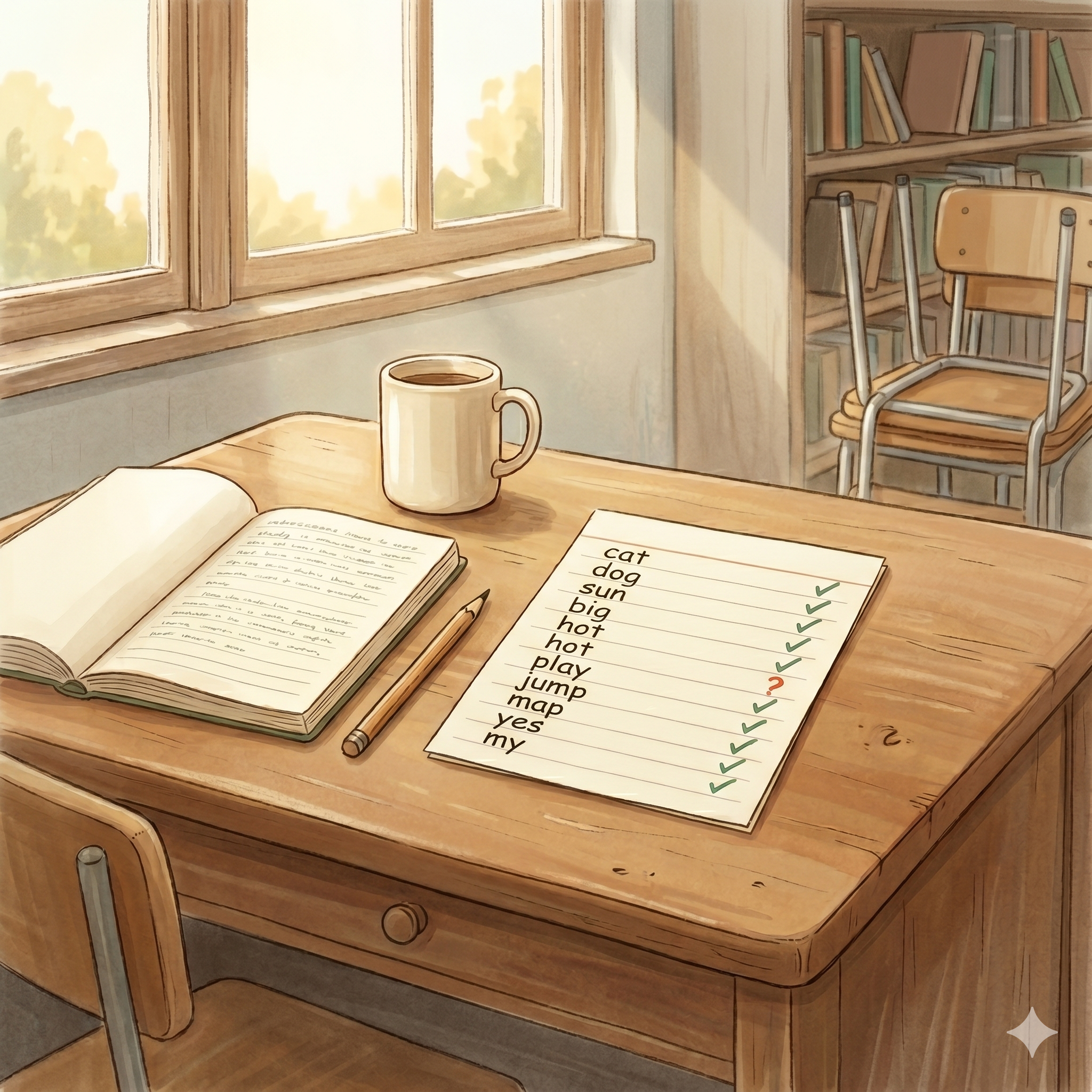
A teacher's desk in morning light. The same index card from step one, now with soft green checkmarks beside most words. One word has a small question mark — an invitation, not a verdict.
Step 4
The teacher sees it tomorrow.

By the time class starts, the teacher has a quiet picture of what each child practiced at home last night — which words are taking hold, and which ones need another week. No survey. No parent report. The data arrived while everyone slept.


What the school gains

Three things a school can actually point to.

Not metrics on a slide deck. Real things you can name to a parent, a board member, or a family who's deciding whether to re-enroll.

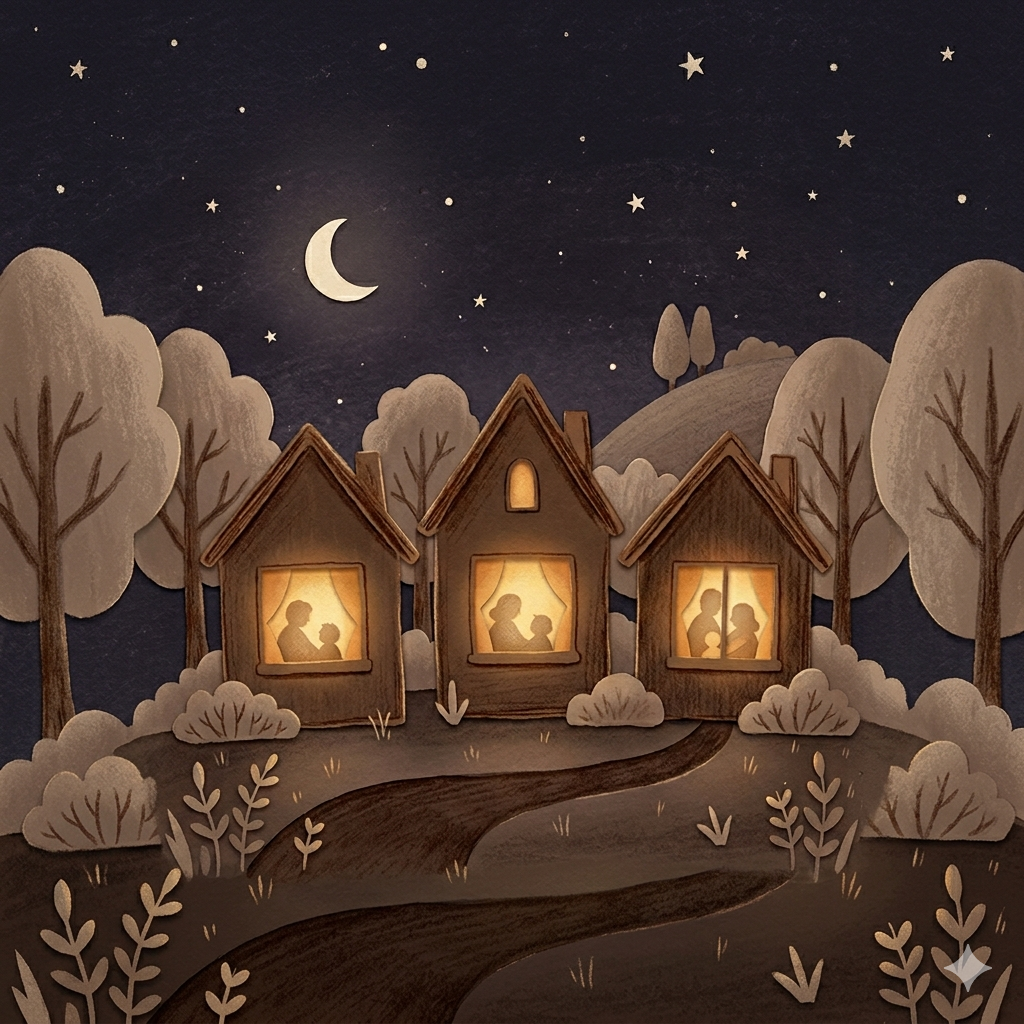
Three small house silhouettes at night, each window glowing warm gold. In each window, the faint shape of a parent and child together. A soft crescent moon above.

Parents who actually show up.

Every night, families in your school are reading together. Not because they were assigned it. Because the story has their child's name in it and tonight feels different from last night. ReadLeo turns the gap between school and home into a nightly connection — one your school made possible.

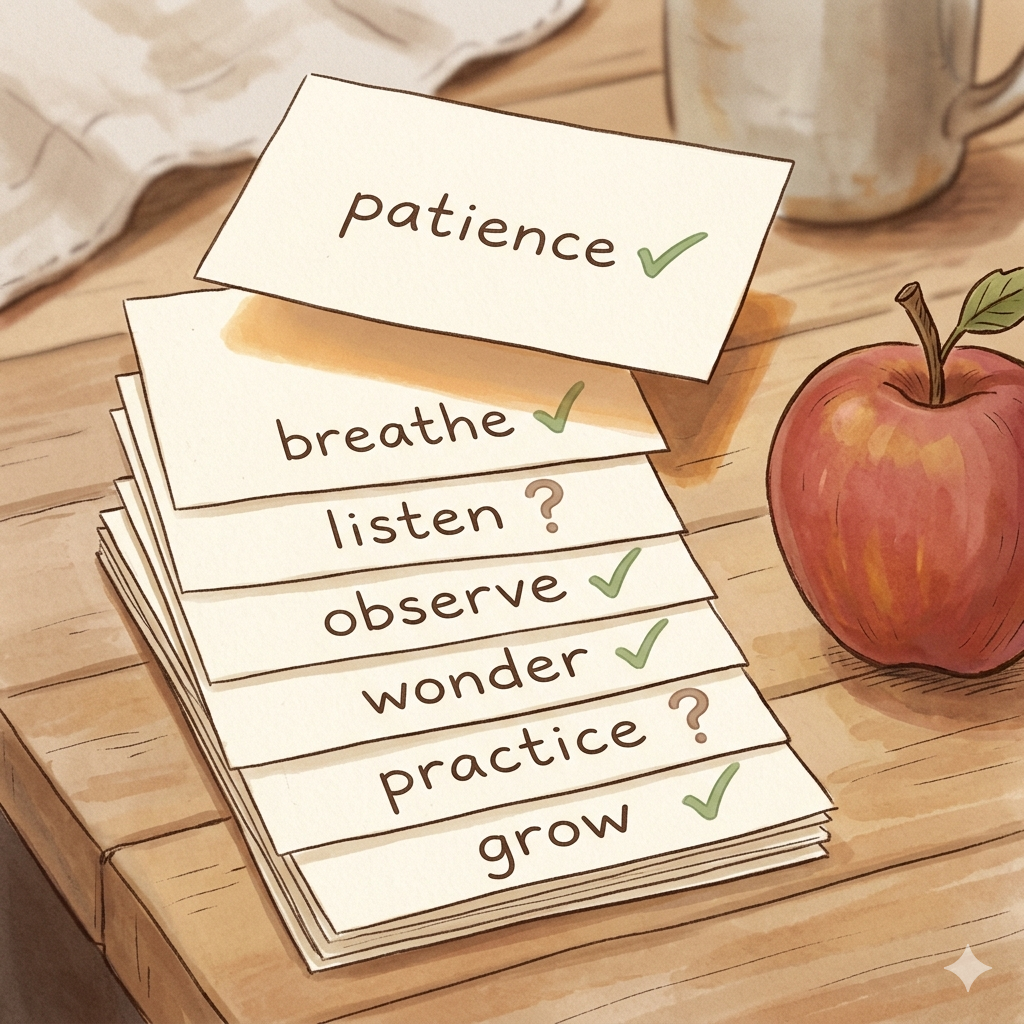
A small stack of index cards on a wooden surface, each with a word and a soft green check or a gentle question mark. A warm apple at the edge of the frame.

Sight-word data that means something.

Your teachers see which words are landing and which aren't — without quizzing, without testing, without making a child perform. The signals come from bedtime reading, where no one was nervous. That is the most honest literacy data your school will ever have.

A soft golden ribbon resting in a shallow open paper envelope, with a small sprig of green beside it. Quiet pride, not a trophy.

Something no other school has yet.

ReadLeo is in its founding pilot. The schools that join now are the ones whose parents will say, five years from now, "this is what we had when our kids were learning to read." That is not a small thing to put in an admissions conversation. It is the kind of thing that keeps a family enrolled.


Tonight's story, for example

This is what eight o'clock looks like.

Every story is different. Every story has the child's name in it. Tonight's sight words are the ones their teacher chose on Monday.

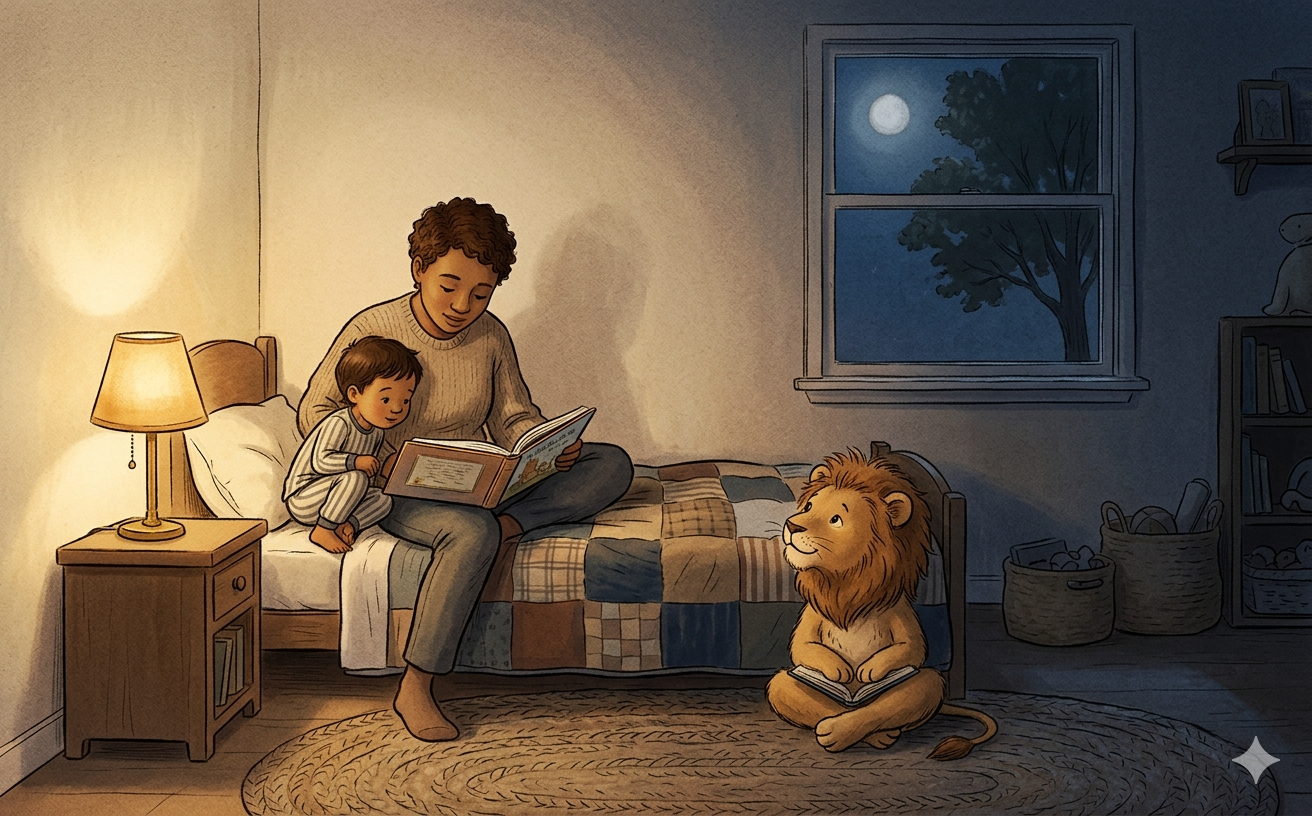
A child's bedroom at night. A parent sits on the edge of a small bed, a child tucked in beside them, both looking down at an open storybook. Warm lamplight glows golden over them. On the floor, Leo the lion cub sits quietly, his own book closed in his lap, listening.

Mia had never climbed a mountain before.

She looked up at it. It was big. It was the biggest thing she had ever seen, bigger than the oak tree in the school yard, bigger than the roof of her house.

"I don't know if I can do it," she said.

Leo sat down next to her in the grass. He was small, like her. His mane was a little messy from the wind.

"I didn't know if I could either," he said. "I was afraid the first time too."

Mia thought about that.

Then she took one step. Then another. The mountain was still big. But her feet knew what to do.

By the time they reached the top, the sun was going down and the whole world was gold.

"We did it," said Leo.

"We did," said Mia. "Again tomorrow?"

Leo smiled. "Again tomorrow."

This week's words: big · if · was · then · did · again

Mia's story was built from her name, her teacher's word list, and nothing else.


An invitation to founding schools

We are saving seats for the schools that want to be first.

One classroom. Every family with a nightly personalized story, every night. The founding cohort is small by design — these are the schools that will shape what ReadLeo becomes.

  • Every student in the classroom gets a nightly personalized story.
  • The teacher's sight-word list drives every story — no extra setup.
  • Mastery data returns to the teacher's dashboard each morning.
  • Parents access through the school — no separate sign-up or charge for families.
  • Direct onboarding support from the ReadLeo team. We are easy to reach.

Schools that join the founding pilot shape what ReadLeo becomes — and carry that distinction long after other schools have caught up.

Let's Talk — Apply to Join
A hand-drawn circular badge reading "FOUNDING SCHOOL" with a small silhouette of Leo the lion cub holding a book in the center.

For parents reading this

Does your child's school have this yet?

If not, you can change that in about two minutes.

You noticed something. You took two minutes. That might be the bedtime story your child remembers.

We'll reach out to your school directly. You don't need to do anything else.

You just gave your child something real.

We'll reach out to on your behalf. They won't know it came from you unless you want them to. If even one classroom at your school tries this, you'll have been the reason a child — maybe yours, maybe their friend — gets to hear their name in a story at bedtime this year.

Want to send a note yourself? Here's one you can use — edit it any way you like.
I came across a program called ReadLeo that a bunch of private schools are starting to use for bedtime reading. The school pays for it — there's nothing for parents to sign up for. Worth a look for our school. The link is readleo.app.
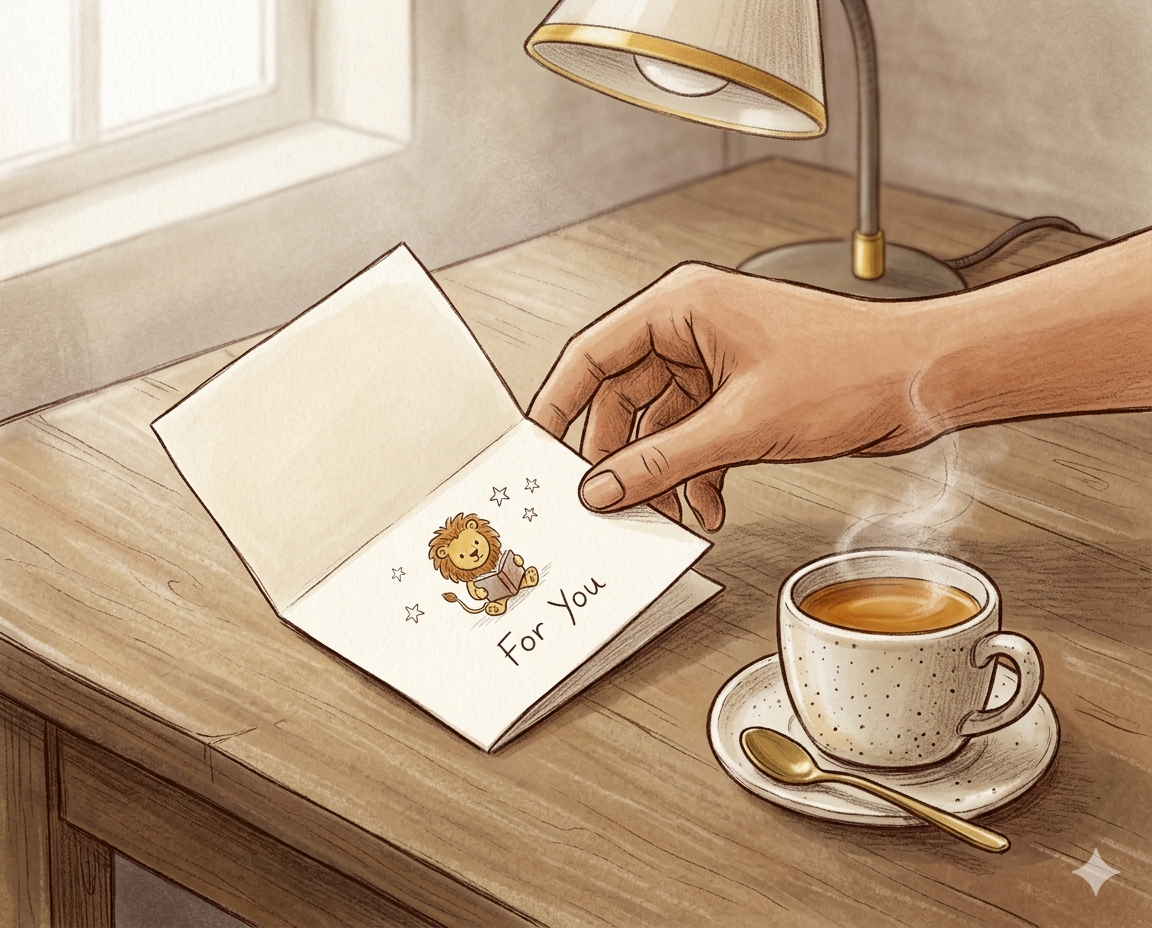
A single adult hand gently placing a small folded paper note on a wooden table. The note is half-open, and on the visible inside is a tiny drawing of Leo the lion cub holding a book. A small mug of warm tea beside it.

Join the founding pilot

A few classrooms. A genuine partnership. Yours, if you want it.

The founding pilot is a genuine partnership, not a sales process. We work alongside you, we listen to what your teachers and parents need, and we build accordingly. The schools in this cohort will shape everything that comes after them.

Founding school seal badge.

We take FERPA and COPPA compliance seriously — details are in our privacy policy. No spam, no sales calls. We'll follow up by email within one school day.